Many dealerships still delay investment in aftersales retention because the workshop feels busy today. But that confidence can be misleading. As EV share grows, natural service demand is likely to become less frequent and less predictable, making retention more important than ever. This article explains why Pitstop matters now. By turning DMS, CRM, OEM, and third-party data into automated service reminders, warranty messages, recall alerts, and bookable workshop appointments, Pitstop helps dealerships protect future workshop demand and keep customers engaged through timely, relevant aftersales communication.
EVs do not just reduce traditional maintenance moments. They weaken the natural contact rhythm that kept customers connected to the dealer after the sale. This article argues that the real aftersales risk is not only lower workshop frequency, but the loss of relationship continuity, and that dealer networks must deliberately design new touchpoints to protect retention, relevance, and margin.
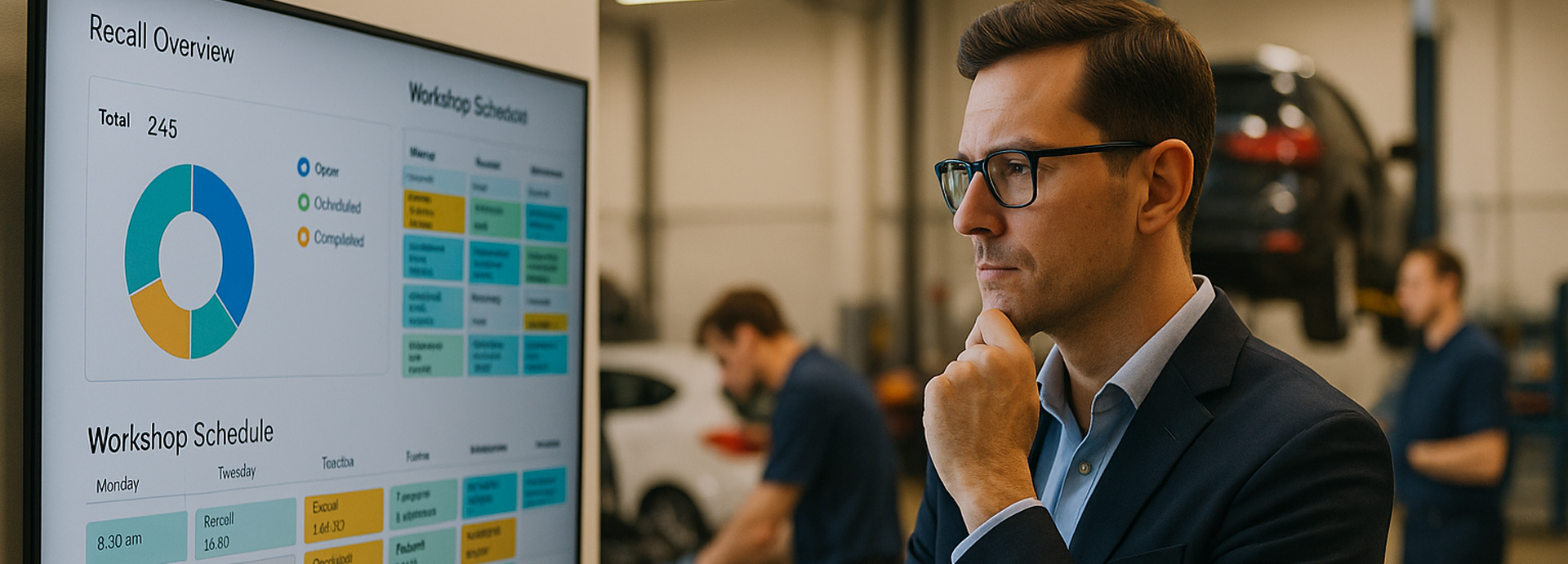
Recalls often overwhelm dealerships because communication arrives in batches, planning is reactive, and workshops are already stretched thin. But when recall outreach is automated, staggered, and connected directly to workshop capacity, the entire process becomes predictable instead of disruptive. Dealerships can smooth demand, protect paid work, and eliminate scheduling chaos. Once customers return for a recall, automated aftersales and upgrade flows turn that visit into a renewed service and sales relationship, without adding workload to advisors. Instead of peaks and panic, recalls become a steady, manageable source of loyalty and long-term revenue for both aftersales and sales teams.
This article explains why dealerships should shift their Q4 upgrade and trade-in strategy away from margin-eroding incentives and toward behavior-based targeting. Research shows that retention drives profitability, while discount-driven campaigns are becoming less effective. The service lane holds high-intent buyers whose repair patterns, mileage behaviour and warranty timelines reveal upgrade readiness earlier than traditional signals. By using personalized, behavior-driven outreach instead of batch-and-blast emails, dealerships can lift conversion, protect gross and work fewer but higher-quality opportunities. A simple 30-day pilot helps teams validate the impact quickly, especially when supported by tools that automate identification and follow-up.
Your DMS holds all the data needed to boost aftersales revenue—but without automation, it stays buried in silos. This post explores how NSCs and dealer groups can unlock hidden revenue by layering automation on top of existing systems. With tools like Pitstop, Reach, and Radar, dealerships can trigger re-engagement flows, launch precision campaigns, and streamline aftersales forecasting—without needing to overhaul their DMS or CRM. The result: more service bookings, better campaign ROI, and network-wide visibility without the manual drag.
Manual messaging might work for one customer—but at scale, it breaks. This guide shows how dealerships can shift from scattered, manual outreach to smart, automated campaigns that drive consistent service revenue and long-term retention. By automating repeatable touchpoints like service reminders, lease expirations, and birthday greetings, dealerships ensure timely, personalized engagement without overwhelming the team or cluttering the CRM. The result is stronger customer relationships, increased efficiency, and higher lifetime value—all while protecting your brand voice across every channel.
Many dealerships overlook the sales potential hidden in their service lane. Customers dealing with frequent repairs, skipped maintenance, or expiring leases are quietly signaling they're ready for a new vehicle. This post explains how disconnected service and sales processes lead to missed opportunities—and how a connected, customer-first approach can change that. By training teams to spot buying intent and implementing structured, personalized follow-up, dealerships can turn service visits into seamless upgrade conversations. The result: higher conversion rates, deeper loyalty, and a more consistent revenue pipeline—all by meeting customers where they are.
Customers don’t leave for independent repair shops because they’re cheaper—they leave because dealership service feels impersonal, inconsistent, or disconnected. This post outlines the top three service mistakes that erode loyalty: poor communication during repairs, lack of personalized outreach, and ill-timed or irrelevant upselling. By embracing automation and using real-time service data, dealerships can fix these gaps and deliver the timely, trustworthy experiences customers expect. With smarter processes in place, your service department becomes more than just a workshop—it becomes a reliable driver of long-term retention and revenue.
Up- and cross-selling doesn't have to feel like a sales pitch. When timed right and tailored to customer needs, these strategies deliver real value—helping drivers avoid surprise repair costs, enhance their ownership experience, and make informed decisions. This article shows how proactive, data-driven offers—like extended warranties, seasonal accessories, or upgrade options—can build trust and loyalty rather than resentment. Dealerships that prioritize relevance over pressure not only increase revenue but also create long-term relationships. It’s about solving problems before they arise, turning every touchpoint into an opportunity to serve, support, and retain the customer.
Even your most loyal service customers may never return—simply because they didn’t hear from you. This post reveals how automated service reminders can transform your aftersales department by keeping customers engaged, informed, and loyal. By integrating real-time vehicle data with automated messaging across email, SMS, or push notifications, dealerships can trigger timely, personalized reminders that drive bookings, boost service revenue, and increase satisfaction. It also explores how urgency messaging and frictionless scheduling strengthen long-term loyalty and customer lifetime value—all without relying on manual processes or memory.