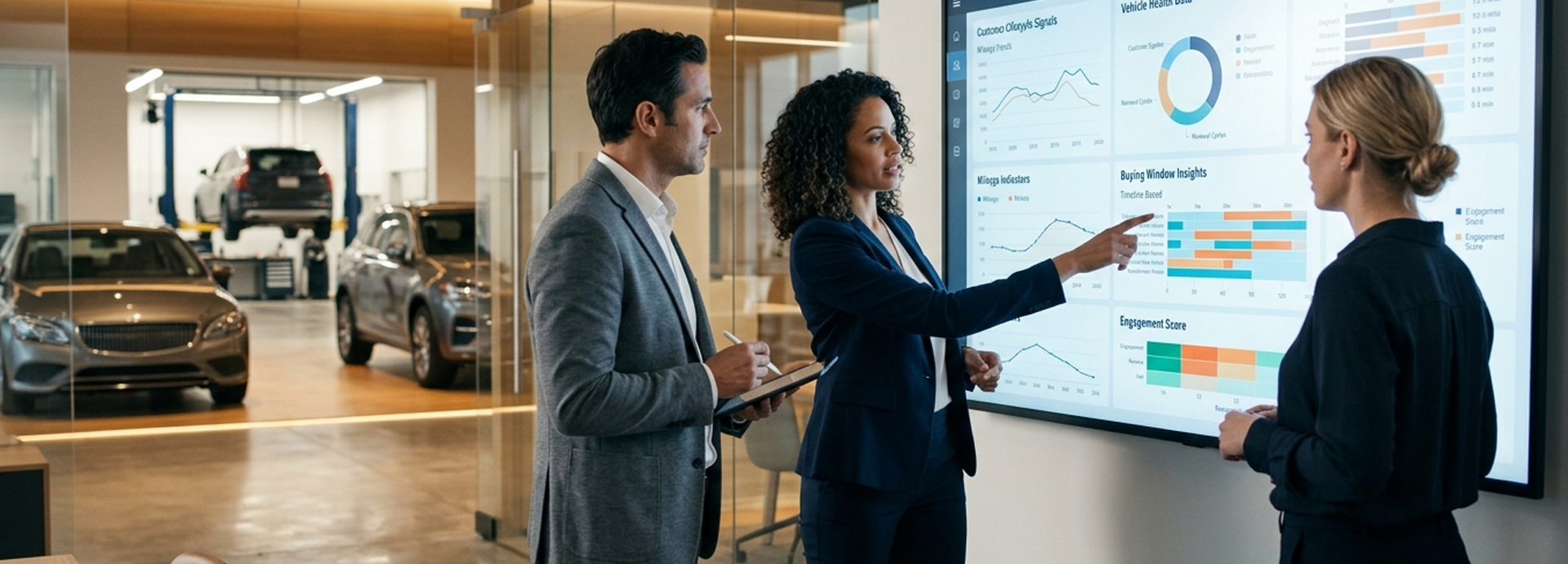
Many repurchase opportunities are already visible inside a dealership’s existing customer data, but sales teams often miss them because the signals sit across DMS, CRM, service, mileage and contract records. This article explains how Radar helps identify customers entering a buying window before they actively raise their hand. By monitoring signals such as lease maturity, mileage progression, repair patterns and service behavior, Radar helps teams prioritize high-potential customers, trigger relevant follow-up, and turn hidden lifecycle intent into measurable sales opportunities.
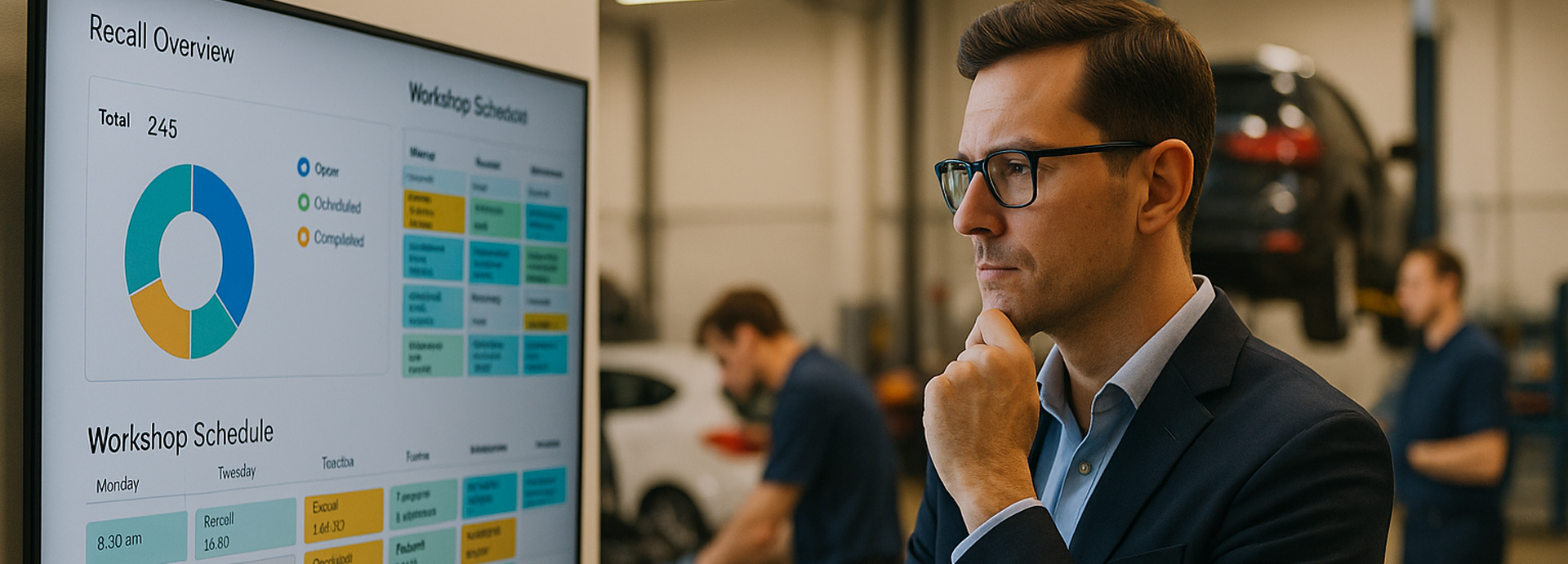
Recalls often overwhelm dealerships because communication arrives in batches, planning is reactive, and workshops are already stretched thin. But when recall outreach is automated, staggered, and connected directly to workshop capacity, the entire process becomes predictable instead of disruptive. Dealerships can smooth demand, protect paid work, and eliminate scheduling chaos. Once customers return for a recall, automated aftersales and upgrade flows turn that visit into a renewed service and sales relationship, without adding workload to advisors. Instead of peaks and panic, recalls become a steady, manageable source of loyalty and long-term revenue for both aftersales and sales teams.
This article explains why dealerships should shift their Q4 upgrade and trade-in strategy away from margin-eroding incentives and toward behavior-based targeting. Research shows that retention drives profitability, while discount-driven campaigns are becoming less effective. The service lane holds high-intent buyers whose repair patterns, mileage behaviour and warranty timelines reveal upgrade readiness earlier than traditional signals. By using personalized, behavior-driven outreach instead of batch-and-blast emails, dealerships can lift conversion, protect gross and work fewer but higher-quality opportunities. A simple 30-day pilot helps teams validate the impact quickly, especially when supported by tools that automate identification and follow-up.