Many repurchase opportunities are already visible inside a dealership’s existing customer data, but sales teams often miss them because the signals sit across DMS, CRM, service, mileage and contract records. This article explains how Radar helps identify customers entering a buying window before they actively raise their hand. By monitoring signals such as lease maturity, mileage progression, repair patterns and service behavior, Radar helps teams prioritize high-potential customers, trigger relevant follow-up, and turn hidden lifecycle intent into measurable sales opportunities.
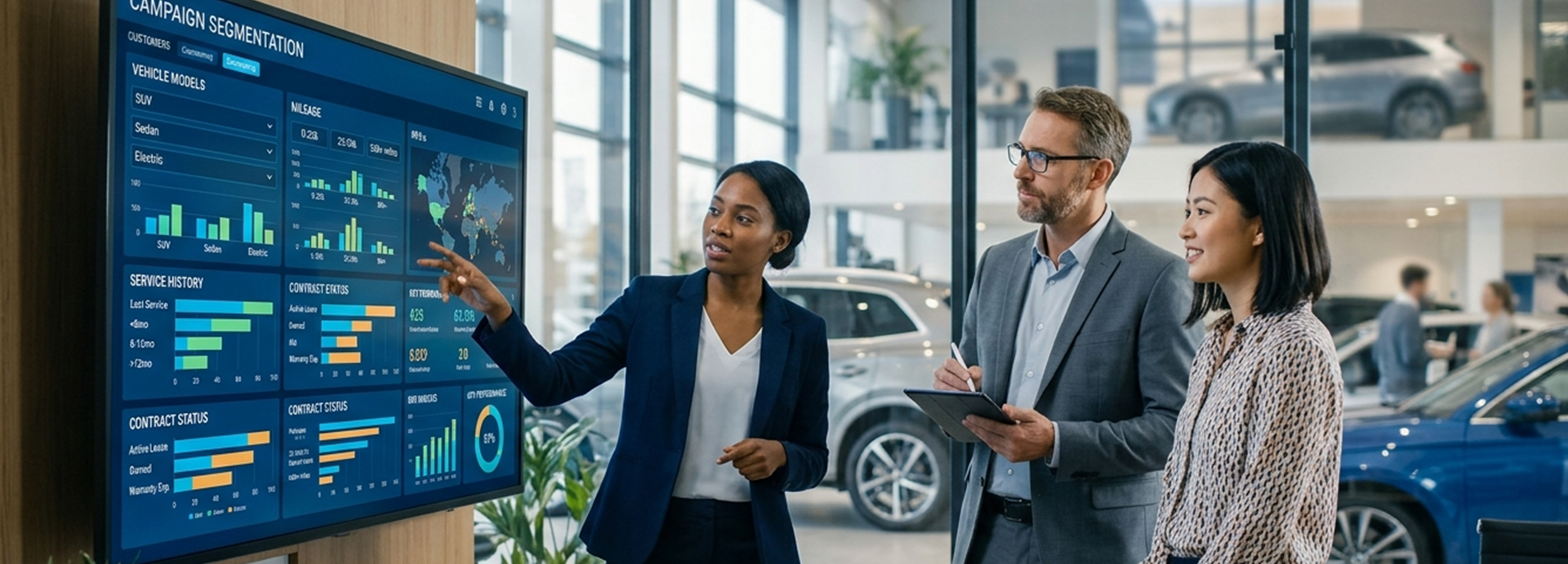
Most dealership campaigns still rely on generic segmentation such as demographics or geography, but automotive relevance depends on the vehicle itself. This article explains why better campaigns start with car-level data like make, model, mileage, service history, warranty status, and contract timing. It shows how Reach helps marketing teams build more precise audiences directly from DMS and CRM data, making campaigns more relevant and more efficient. The piece also highlights how dealer groups and NSCs can balance central brand control with local campaign flexibility, improving both targeting quality and execution across the network.
This article challenges the way dealer networks judge campaign success. High open rates and click-throughs can create a false sense of confidence when the real issue is poor targeting or inconsistent execution across the network. In automotive retail, the better question is whether the right customer received the right message at the right moment, and whether that relevance survived local rollout. The post argues that marketing leaders should look beyond surface engagement and focus more on audience integrity, launch discipline, and follow-up consistency if they want campaign results they can actually trust.
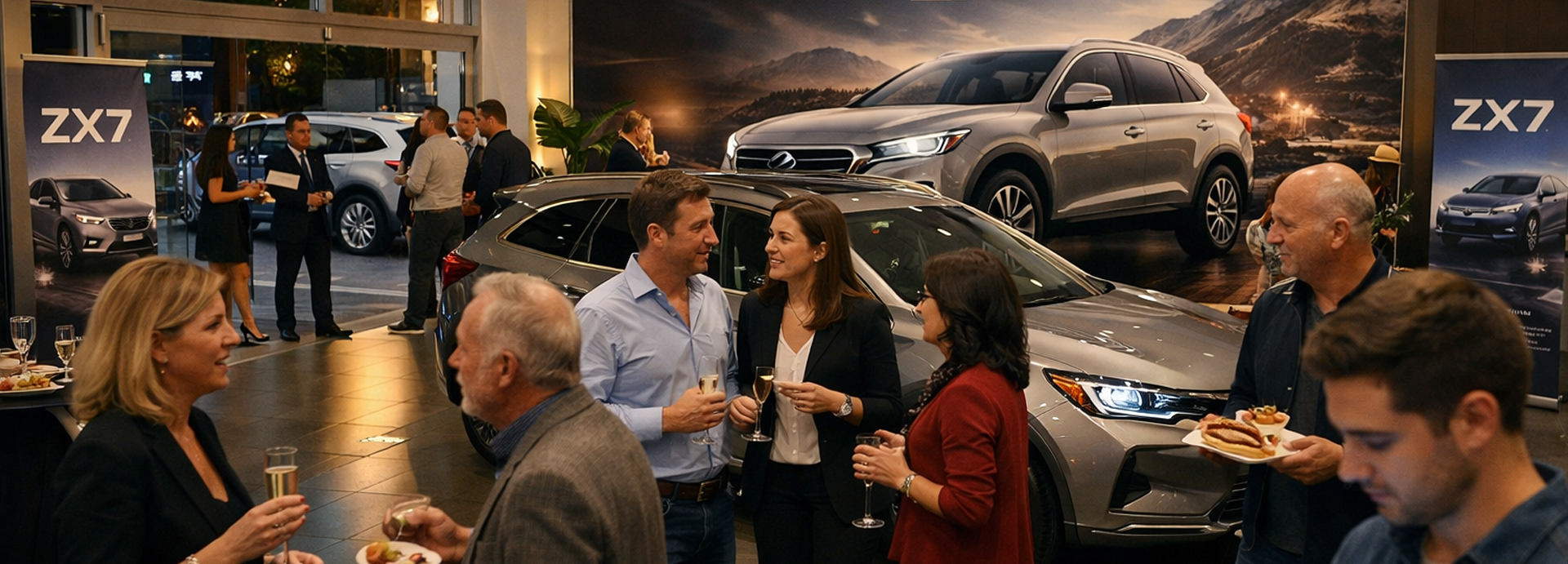
Dealership events such as test drives, model previews, and workshop sessions often generate strong interest, but the real value lies beyond attendance. When events are managed with structured registration and capacity control, participation becomes a powerful marketing signal. Instead of treating all contacts the same, dealerships can segment customers based on their engagement with the event: those who attended, those who registered but did not show up, and those who ignored the invitation. This transforms events from simple promotional moments into actionable data that improves follow-up campaigns and targeting. By turning event participation into segmentation signals, marketing teams can run more relevant campaigns and drive stronger engagement across dealer networks.
This article explains why dealerships should shift their Q4 upgrade and trade-in strategy away from margin-eroding incentives and toward behavior-based targeting. Research shows that retention drives profitability, while discount-driven campaigns are becoming less effective. The service lane holds high-intent buyers whose repair patterns, mileage behaviour and warranty timelines reveal upgrade readiness earlier than traditional signals. By using personalized, behavior-driven outreach instead of batch-and-blast emails, dealerships can lift conversion, protect gross and work fewer but higher-quality opportunities. A simple 30-day pilot helps teams validate the impact quickly, especially when supported by tools that automate identification and follow-up.
Service history data is one of the most underutilized assets in a dealership’s arsenal—and one of the most powerful. Every service visit provides valuable insights into a customer’s habits, timing, and vehicle lifecycle stage. By using this data to automate reminders, personalize offers, and identify lapsed or upgrade-ready customers, dealerships can increase service retention and unlock hidden sales opportunities. This blog outlines how predictive scheduling, dynamic segmentation, and re-engagement flows can transform your service department into a loyalty and revenue engine—ensuring customers keep coming back long after the initial sale.
Generic, mass-blast marketing no longer works for modern dealerships. Customers expect personalized, relevant communication—yet many retailers still send one-size-fits-all campaigns that miss the mark. This post explores how poor targeting leads to disengagement, unsubscribes, and lost revenue, while smart segmentation drives higher conversions and stronger loyalty. By leveraging real-time customer data—like service history, vehicle lifecycle, and engagement signals—dealerships can deliver the right message to the right person at the right time. With dynamic lists, automated workflows, and tiered campaign structures, marketing becomes sharper, more efficient, and more profitable.