Most dealer networks don’t suffer from a lack of first-party data, but from an inability to turn that data into consistent execution. Customer signals live across DMS, CRM, web, and call systems, yet remain fragmented across teams and tools. The result is disconnected actions that feel random to customers and inefficient for the network. Rather than adding another platform or campaign, the real lever is an operating model that makes data quality, decision-making, consent, and activation part of a repeatable weekly rhythm. In automotive, where data truth often lives in distributed dealer systems, predictable execution depends on connecting lifecycle signals to action at scale.
Dealer network strategies don’t fail because they’re flawed. They fail because execution at scale is harder than most organisations are prepared for. This article explores where execution breaks down and why visibility, governance, and consistency matter more than better plans.
Meta leads from Facebook and Instagram often include early-stage shoppers, which can drain sales capacity when every enquiry is treated as sales-ready. This blog post explains how to add an automatic qualification layer using WEBSOLVE Flows. The approach is to respond immediately, ask one short confirmation question to surface intent, and keep non-responsive leads in automated nurture via email, SMS, or WhatsApp until they re-engage. Engaged prospects get routed to sales quickly, so reps speak with people who actually want to talk. The result is less wasted follow-up effort, faster response where it matters, and a cleaner path from enquiry to conversation.
Most organisations can track activity, but very few can measure whether their balance of AI and human touch is genuinely improving the customer experience. This episode closes the series by shifting the focus from motion to meaning. Instead of counting messages, bot completions or automated tasks, this episode looks at the real indicators of success: the quality of handovers, the lift in human-led conversions and the emergence of trust signals. With a simple weekly review that exposes friction early, this week shows how to evaluate whether your hybrid journey is working — and how to evolve it with confidence.
AI only works as well as the data beneath it, and in automotive, that data is often fragmented, outdated or contradictory. This episode focuses on the real foundations required for automation to work at scale: clean identity, accurate event signals and data flows that move at the customer’s rhythm. It reveals why AI so often “fails” in dealer groups and NSCs, not because the models are wrong but because the inputs are. With practical diagnostics and clarity on where WEBSOLVE fits, this week reframes data not as an IT project but as the backbone of every trusted customer journey.
Automation is powerful until it begins to replace the human reassurance customers expect during uncertain moments. Week 4 explores the point where helpful automation becomes a wall instead of a bridge, creating loops, silence, and frustration. As AI becomes more capable, the risk of over-automation grows, especially at moments where customers hesitate, compare or need clarification. This week introduces practical ways to identify when your journey is becoming brittle and how to restore balance with clear human checkpoints and smarter handovers. The goal is simple: keep automation fast, scalable and supportive without letting it erode trust.
As AI takes over the busy work that once filled an advisor’s day, a quiet but meaningful shift is happening inside dealerships. Tasks that drained energy — scanning CRMs, hunting for signals, rewriting the same messages — are giving way to work that feels more human and more impactful. Advisors now start with context instead of guesswork and step in at the moments that genuinely influence customer decisions. Week 3 makes this shift visible, showing how roles evolve when AI handles the noise and people handle the meaning, and why redefining responsibilities is essential to building a confident, scalable hybrid journey.
Governance is the part of AI that nobody gets excited about, but it is the part that decides whether automation actually works. In Week 2, we show how to define the rules that prevent silent failures, ensure human takeover at the right moment and keep your customer journey compliant and consistent across multiple dealerships. Includes the Automation Handover Rule you can apply immediately.
In 2026, automotive sales teams face a major shift: customers expect the speed of automation and the reassurance of human connection. This article introduces the hybrid sales journey, where AI handles timing, accuracy, and scale, while people deliver trust, clarity, and emotional support. Dealerships and NSCs that design their journeys intentionally can improve conversion, strengthen relationships, and reduce operational friction. Week 1 lays the foundation for understanding which touchpoints should be automate-first, hybrid, or human-first, preparing readers for the tools, frameworks, and governance models coming in the next five weeks.
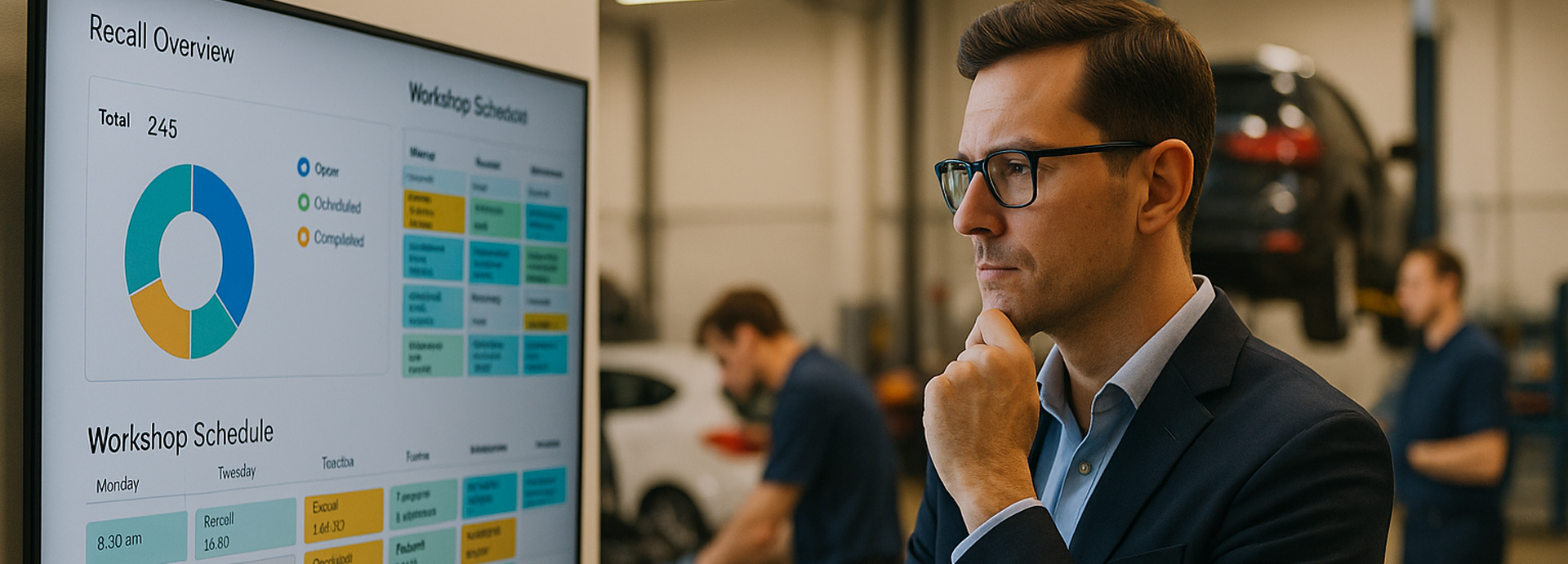
Recalls often overwhelm dealerships because communication arrives in batches, planning is reactive, and workshops are already stretched thin. But when recall outreach is automated, staggered, and connected directly to workshop capacity, the entire process becomes predictable instead of disruptive. Dealerships can smooth demand, protect paid work, and eliminate scheduling chaos. Once customers return for a recall, automated aftersales and upgrade flows turn that visit into a renewed service and sales relationship, without adding workload to advisors. Instead of peaks and panic, recalls become a steady, manageable source of loyalty and long-term revenue for both aftersales and sales teams.