Driving test drive registrations and workshop events with Reach
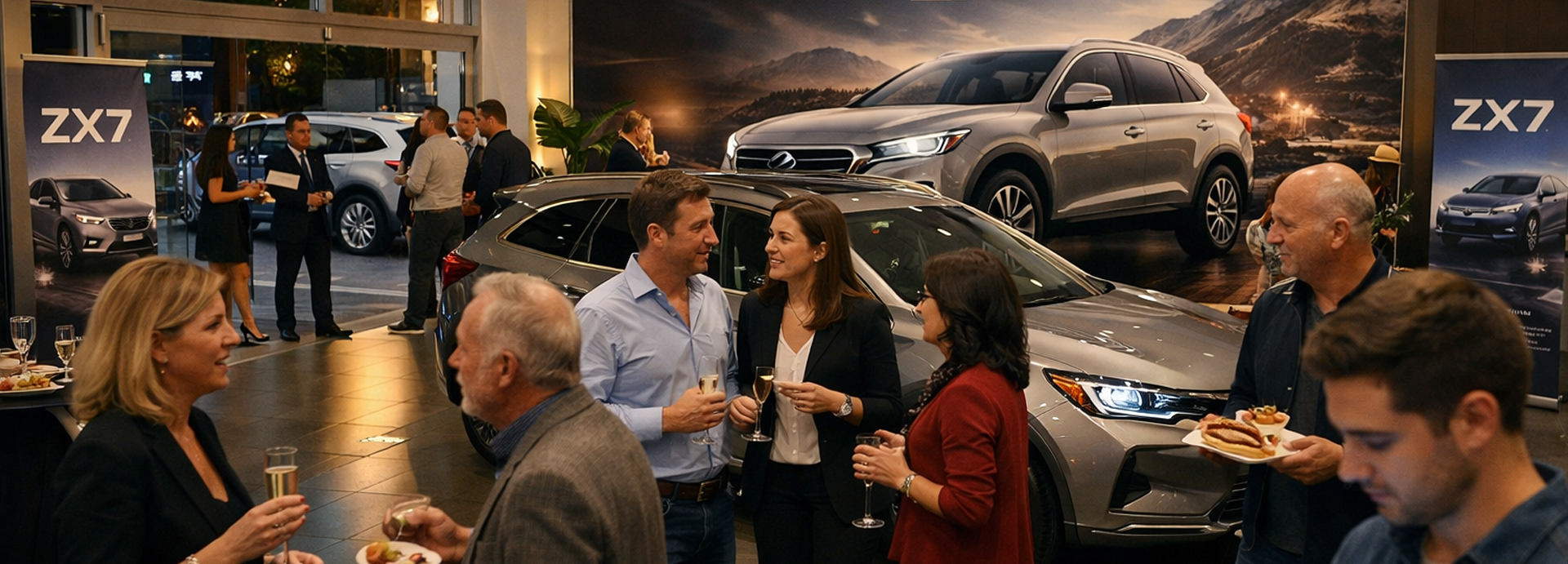
Most dealership events look organised from the outside.
Invitations go out. Customers register. The showroom fills up on the day. But behind the scenes, the process is usually messy.
Someone is tracking registrations in a spreadsheet. Capacity is being checked manually. When sessions fill up, someone has to close the sign-up link. When customers cancel, the team tries to backfill empty slots. After the event, nobody is entirely sure who attended, who registered but didn’t show up, and who should receive follow-up communication.
The event works, but only because the team is constantly coordinating small operational details.
WEBSOLVE recently introduced event management inside Reach to remove that manual layer and turn events into structured campaigns that can run across dealer networks without spreadsheet chaos.
Turning dealership events into structured campaigns
Inside Reach, marketing teams can now create events the same way they launch campaigns.
Each event includes a date, location, and defined capacity. Sessions can be configured for test drive slots, product previews, owner workshops, or seasonal service clinics.
Customers receive an invitation with a short SMS-friendly link. When they click the link, they are automatically recognised and logged in. No account creation, no long forms. In most cases, registration takes only a few seconds.
Capacity is handled automatically. When a session reaches its limit, registration closes or customers are moved to a waiting list. If someone cancels, the next person can be promoted automatically.
From the dealership side, setup usually means defining the audience segment, the event schedule, and the number of available slots. Once those are configured, Reach handles the registration flow and attendance tracking.
One practical constraint is worth mentioning. Event campaigns work best when customer data is reasonably clean. If contact records are fragmented across systems, identifying attendees and running accurate follow-up segmentation becomes harder.
The insight most event campaigns miss
The real value of structured event management is not registration: it is what happens afterwards.
Most dealership marketing systems still rely on weak intent signals. Opens and clicks tell you that a message was seen. They do not tell you whether the customer actually engaged with the product.
An event produces a different kind of signal. A customer who books a slot and spends 30 to 45 minutes test driving a vehicle has demonstrated far stronger intent than someone who opened an email.
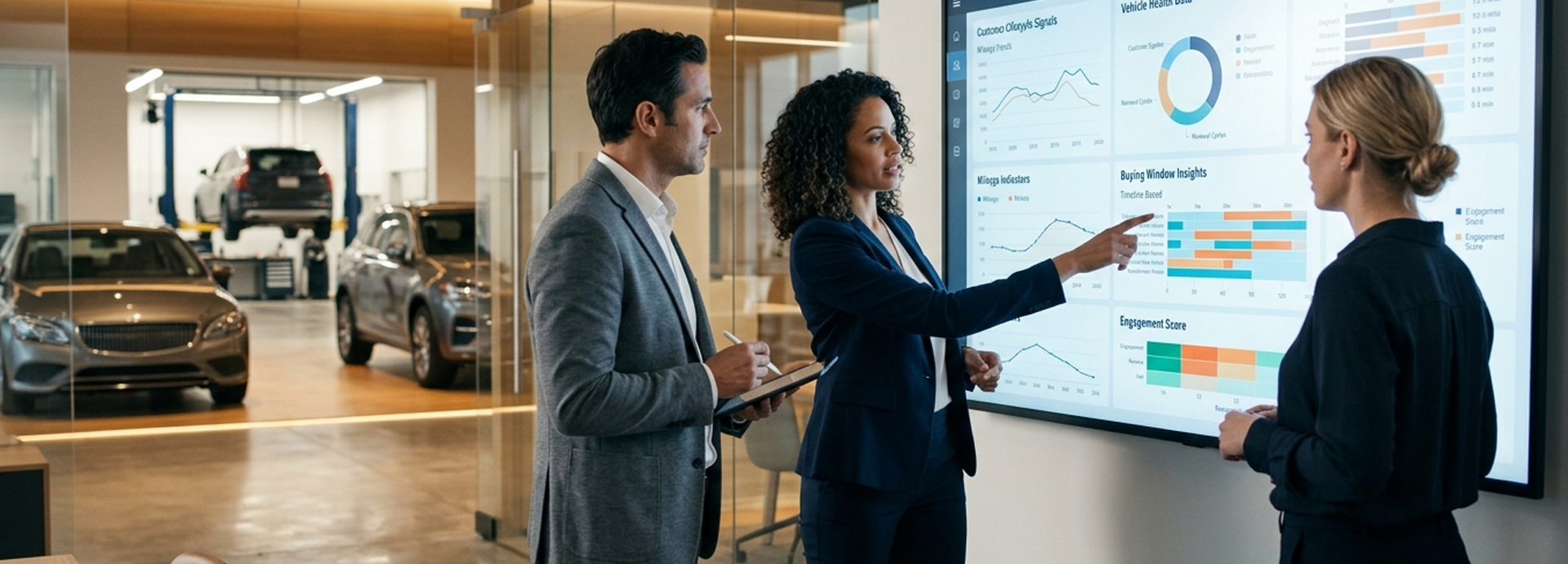
Reach feeds event participation data back into its segmentation engine, allowing marketing teams to distinguish between customers who attended the event, those who registered but did not show up, and those who ignored the invitation entirely.
Someone who attended a test drive event has already invested time and interest in a specific vehicle. Someone who registered but did not attend may still be interested but needs a different follow-up. Someone who ignored the invitation might simply not be in market yet.
Attendees can receive offers tied to the vehicle they tested, no-shows can be invited to a future session, and non-responders can be held for a different campaign trigger.
The event becomes the starting point for targeted follow-up rather than the end of a single campaign.
Why this matters for dealer networks
Dealer events are becoming a regular part of automotive marketing. Test drive weekends, model previews, and owner workshops are designed to bring customers back into the physical dealership.
But as networks run more of these events, operational complexity increases quickly.
Without a structured system, registration management becomes manual, capacity planning becomes unreliable, and follow-up communication becomes inconsistent across locations.
Event management inside Reach removes that operational layer while also capturing something more valuable: behavioural signals that typical campaigns never produce.
A question for your next event campaign
When your network runs a test drive event, what do you actually measure afterwards?
Most dashboards still show invitation metrics: sends, opens, clicks.
Far fewer organisations track the difference in downstream behaviour between someone who attended, someone who registered but did not show up, and someone who never responded at all.
Those three groups represent very different levels of purchase intent. Reach captures that split automatically after every event, so follow-up campaigns can treat them differently instead of sending the same message to everyone.