Practical strategies for smarter funnels and stronger customer relationships.
The WEBSOLVE blog delivers practical, no-nonsense insights for dealerships, NSCs and OEMs looking to improve lead conversion, boost retention and drive real business impact.
With manufacturers cutting management functions, many NSCs are preparing their 2027 plans with less central capacity, while the dealer network still needs the same campaigns, launches and lead follow-up. This article argues that cost reduction then becomes an execution problem: head office can only shrink if the coordination work shrinks with it. It looks at how Ford Netherlands changed its lead follow-up instead of adding effort, why routine work should be standardised while the customer relationship stays local, and why efficiency is best measured by the recurring work that disappears.
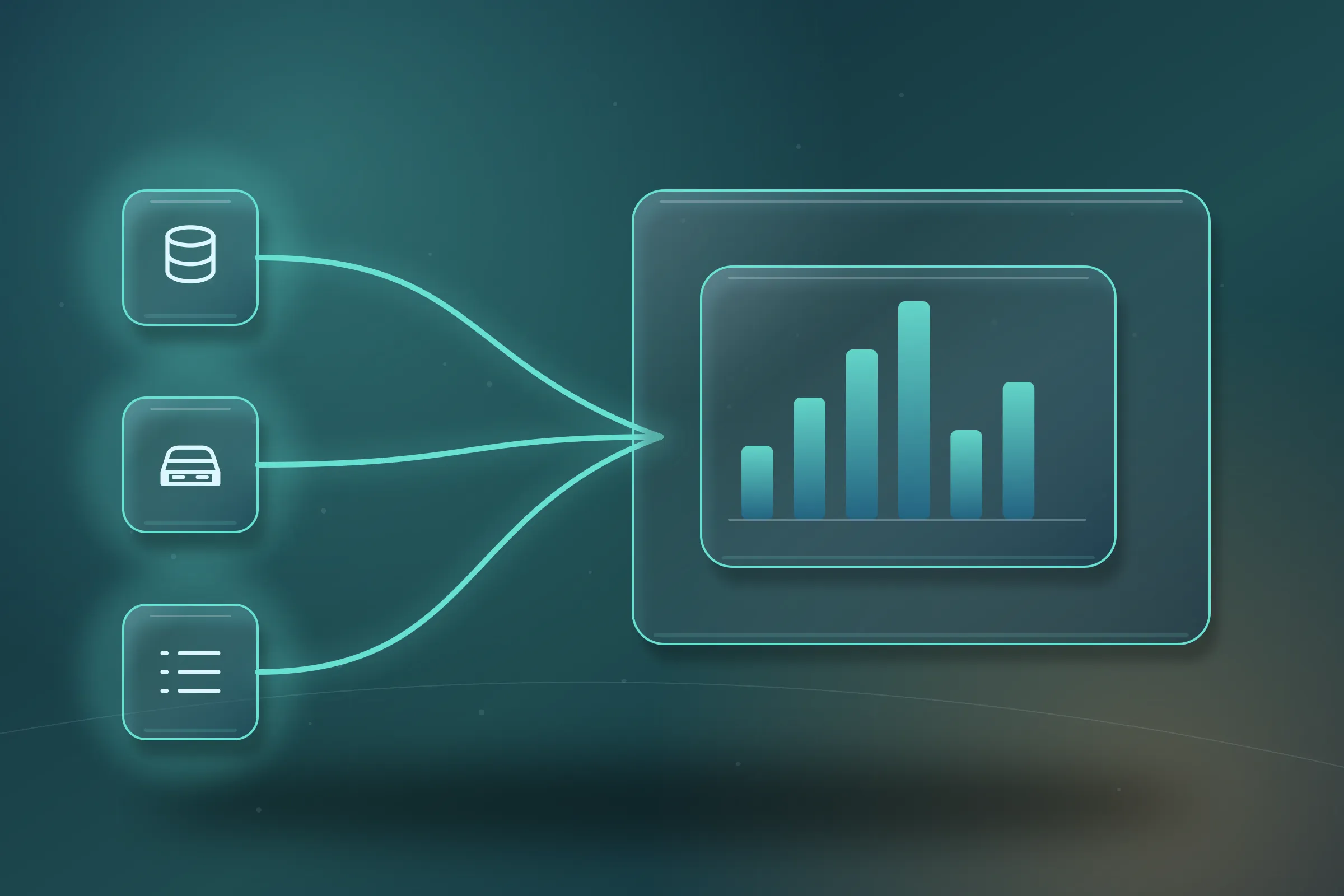
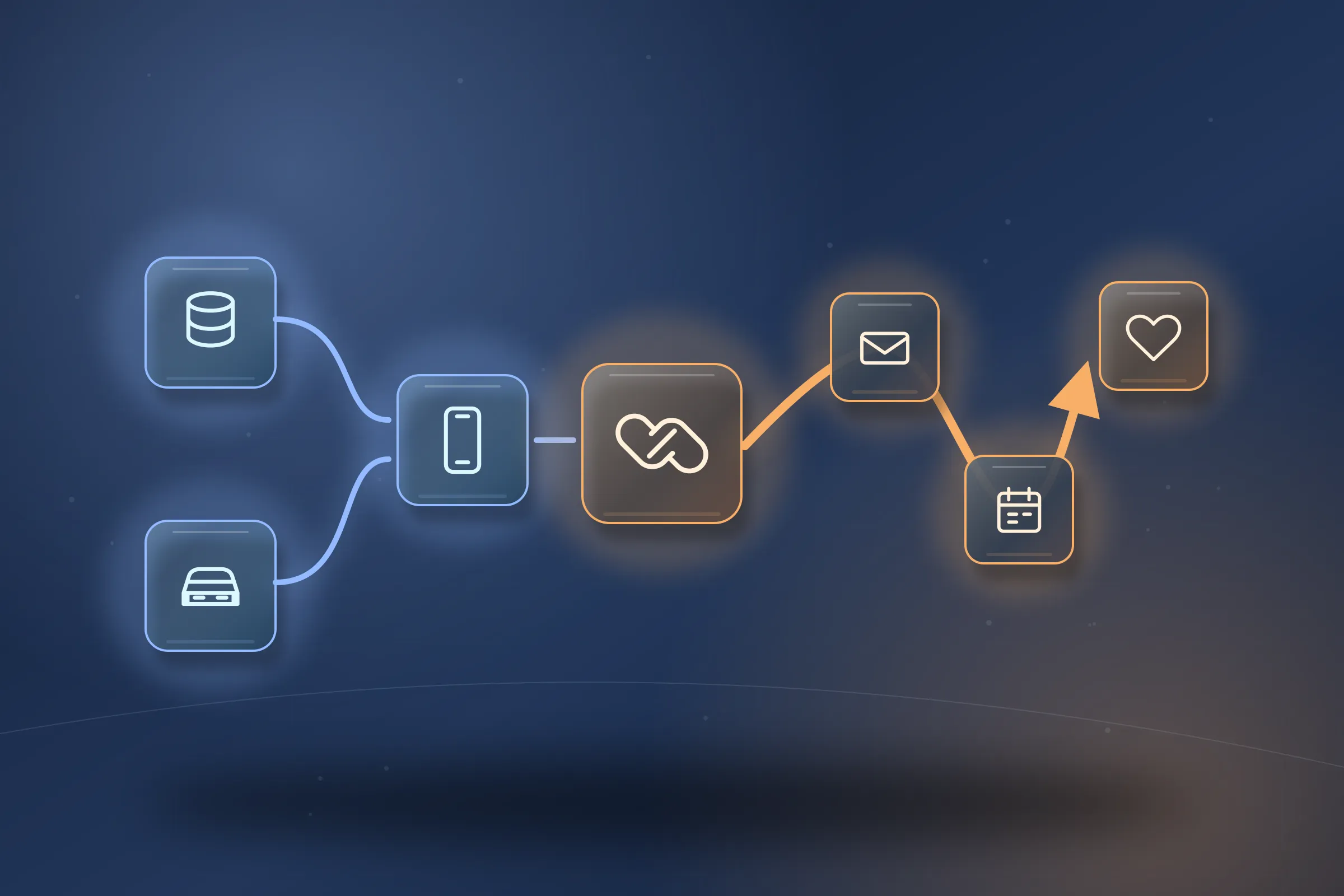
Disconnected tools across a dealer network can create a dangerous reporting mirage. Campaigns appear to run, leads appear to be followed up, and aftersales reminders appear to go out, but local workflows, definitions, and workarounds make results hard to compare. This article explains why the real cost of tool fragmentation is not just software waste, but uncertain decision-making. For CRM and Digital Transformation Leads, the challenge is to create shared execution logic across CRM, DMS, lead, campaign, and communication systems so dealer-level performance becomes visible, comparable, and actionable.
Dealer adoption rarely breaks at the training stage. It breaks later, when local managers have to translate central plans into daily work under real operational pressure. This article explores the missing middle layer between rollout and results: the dealership manager who decides what gets reinforced, what gets delayed, and what quietly drops away. It argues that adoption depends less on awareness and more on managerial feasibility. For NSCs and dealer groups, that means designing initiatives that fit local operating rhythms, reduce supervision overhead, and survive a difficult week in the dealership, not just a clean launch presentation.
This article challenges the way dealer networks judge campaign success. High open rates and click-throughs can create a false sense of confidence when the real issue is poor targeting or inconsistent execution across the network. In automotive retail, the better question is whether the right customer received the right message at the right moment, and whether that relevance survived local rollout. The post argues that marketing leaders should look beyond surface engagement and focus more on audience integrity, launch discipline, and follow-up consistency if they want campaign results they can actually trust.
This article argues that the quote is no longer just an administrative step, but a critical part of the buying experience. It shows how many dealer networks lose momentum when a ready-to-buy customer receives a PDF, spreadsheet, or stock link instead of a clear, professional next step. The piece explains why this creates both a conversion problem and a consistency problem across the network, then positions Quoto as a way to turn the quote into a branded, distraction-free experience with one vehicle, one offer, and one path to decision. The result is a smoother customer journey and stronger execution at scale.
Dealership CRMs are overloaded with data, but that isn’t translating into better sales performance. As lead volumes increase, sales teams lose clarity, spending more time managing records than engaging real buyers. The core issue is structural: CRMs are designed for long-term relationship management, not high-speed lead qualification. In automotive, where customer journeys are non-linear and intent varies widely, this mismatch creates noise and can slow response times and reduce conversion. The solution is not more data, but a better operating model—one that separates rapid lead qualification from CRM-based relationship management, ensuring sales teams focus only on opportunities that truly matter.
Many dealerships still delay investment in aftersales retention because the workshop feels busy today. But that confidence can be misleading. As EV share grows, natural service demand is likely to become less frequent and less predictable, making retention more important than ever. This article explains why Pitstop matters now. By turning DMS, CRM, OEM, and third-party data into automated service reminders, warranty messages, recall alerts, and bookable workshop appointments, Pitstop helps dealerships protect future workshop demand and keep customers engaged through timely, relevant aftersales communication.
EVs do not just reduce traditional maintenance moments. They weaken the natural contact rhythm that kept customers connected to the dealer after the sale. This article argues that the real aftersales risk is not only lower workshop frequency, but the loss of relationship continuity, and that dealer networks must deliberately design new touchpoints to protect retention, relevance, and margin.
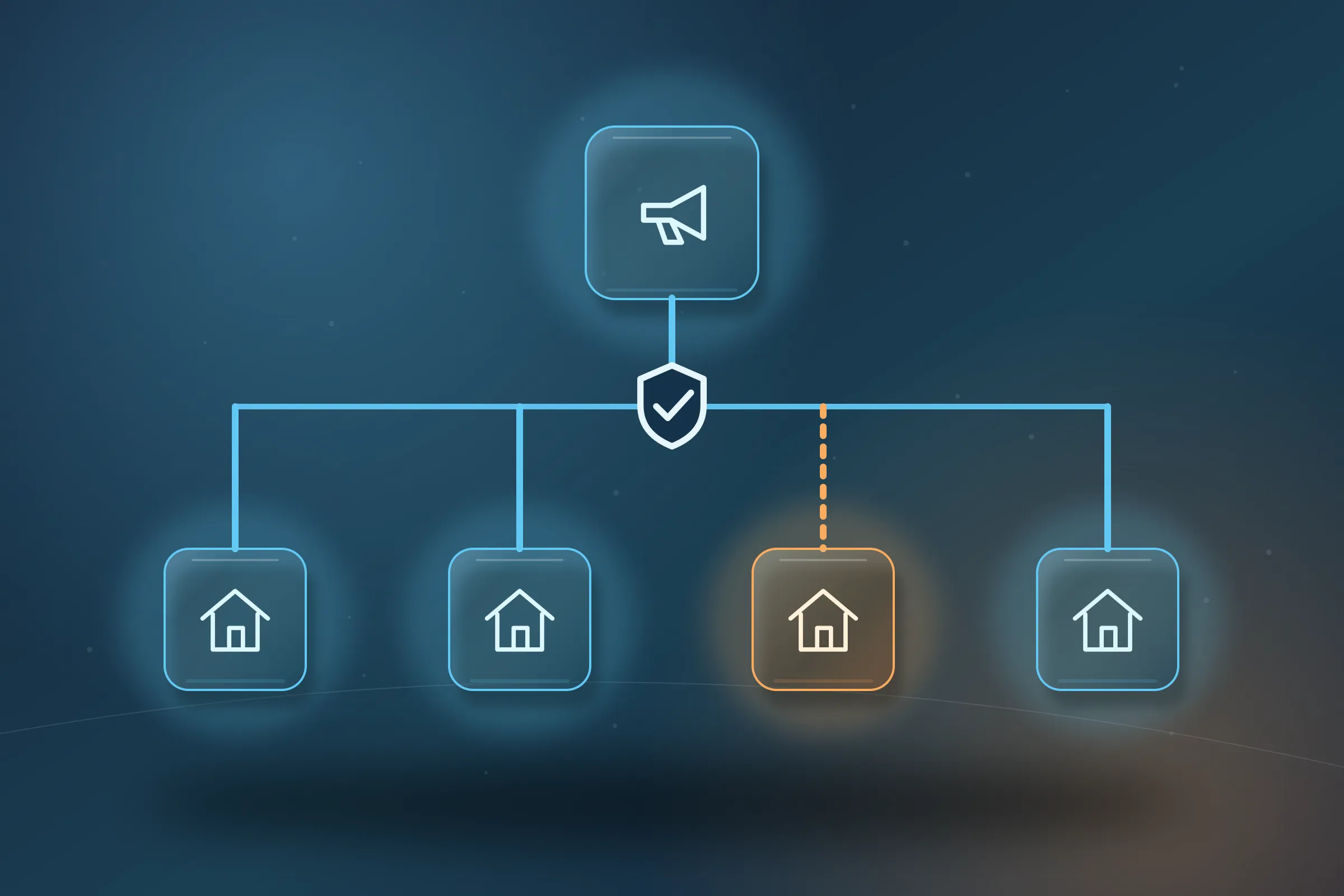
Dealer networks frequently oscillate between tight central control and broad local autonomy. Both extremes create friction and execution drift. This article explores how to design minimum execution standards that protect customer experience and brand integrity while respecting dealer reality. It examines decision rights, governance clarity, and visibility as structural levers that enable consistency without micromanagement. Rather than increasing oversight, the solution lies in defining non-negotiables clearly and making execution observable. The piece offers a practical governance perspective for NSC and OEM leaders seeking stability across distributed retail environments.
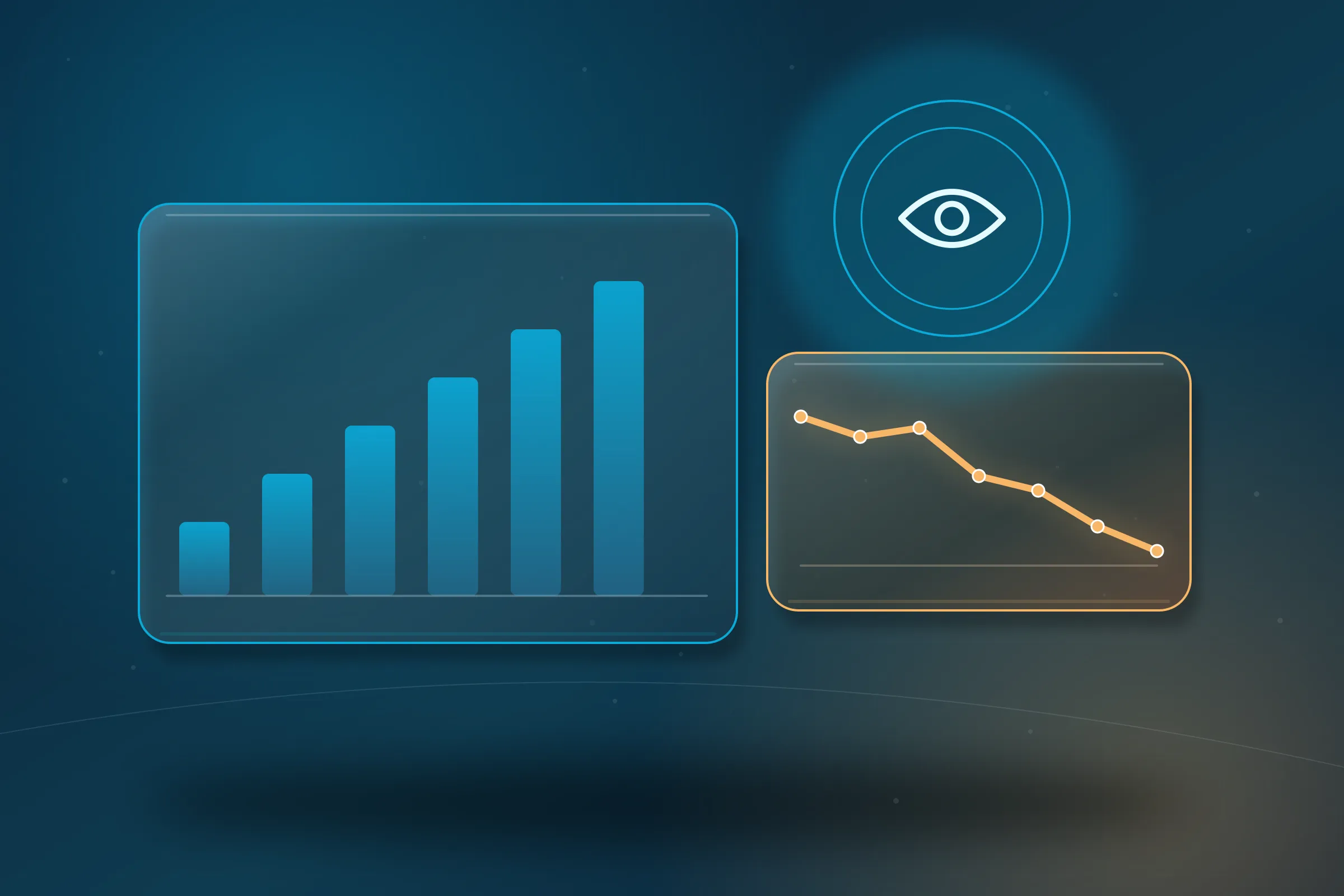
Dealer networks often manage performance through averages and outcome metrics. But by the time KPIs decline, execution has usually been inconsistent for months. This article argues that central teams should focus on leading indicators of execution rather than lagging indicators of results. It explains how execution variance forms across dealers, why averages conceal spread, and how earlier visibility into behavior can prevent strategic drift. The piece reframes performance management as an observability challenge and offers a sharper diagnostic lens for NSC and OEM leaders responsible for network-wide outcomes without direct operational control.
Many dealer network strategies begin with strong alignment and clear intent. Yet months after launch, execution often drifts across regions and rooftops. This article examines the structural reasons why rollout plans fracture between central approval and local adoption. It explores how staffing pressure, operational constraints, unclear decision rights, and limited visibility into execution create divergence over time. Rather than blaming dealers or questioning strategy quality, the piece reframes rollout failure as a governance and execution design issue. It challenges central leaders to rethink how consistency is defined, observed, and supported across distributed automotive networks.
When national campaigns underperform, dealer networks often react by adjusting creative elements. Yet in many cases, the underlying issue is not the message but the governance behind the rollout. Campaigns in distributed dealer networks rely on consistent execution across locations, and small deviations in launch timing, targeting, or follow-up discipline can significantly distort results. Without visibility into whether minimum standards were met dealer by dealer, leadership risks misdiagnosing execution drift as a creative weakness. This article explores why campaign performance is often a governance question, and how stronger execution visibility leads to better decisions.
Dealer networks often look healthy when performance is measured by averages, yet still face hidden risks caused by uneven execution across locations. This article explains why execution variance is a structural problem rather than a people issue, and how it quietly undermines brand consistency and customer experience. It shows why customers notice inconsistency long before it appears in KPIs, and why managing outcomes alone is not enough. By focusing on execution visibility, clear standards, and early detection of drift, dealer networks can reduce risk, scale more reliably, and ensure strategy translates into consistent daily behavior.
Most dealer networks don’t suffer from a lack of first-party data, but from an inability to turn that data into consistent execution. Customer signals live across DMS, CRM, web, and call systems, yet remain fragmented across teams and tools. The result is disconnected actions that feel random to customers and inefficient for the network. Rather than adding another platform or campaign, the real lever is an operating model that makes data quality, decision-making, consent, and activation part of a repeatable weekly rhythm. In automotive, where data truth often lives in distributed dealer systems, predictable execution depends on connecting lifecycle signals to action at scale.
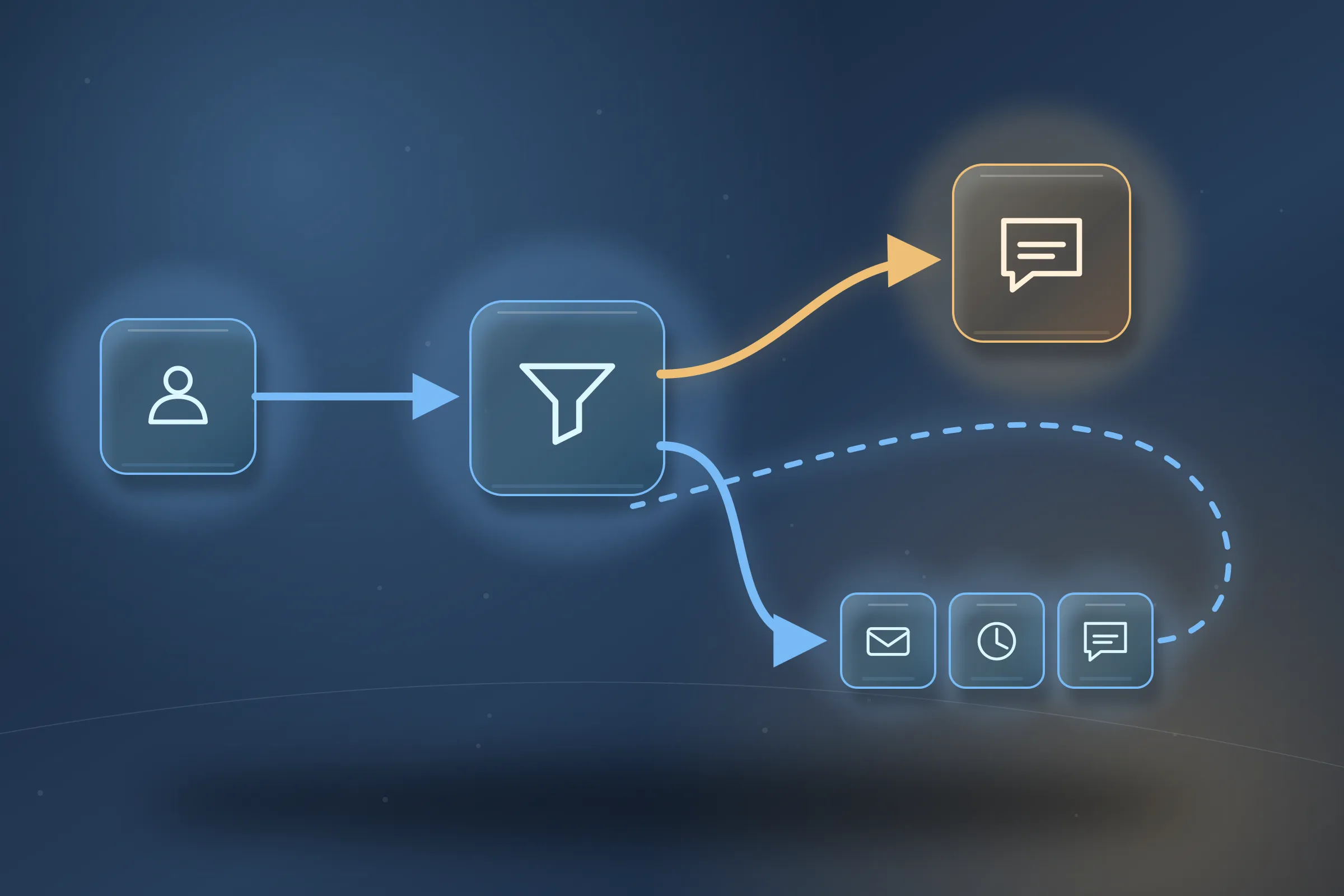
Meta leads from Facebook and Instagram often include early-stage shoppers, which can drain sales capacity when every enquiry is treated as sales-ready. This blog post explains how to add an automatic qualification layer using WEBSOLVE Flows. The approach is to respond immediately, ask one short confirmation question to surface intent, and keep non-responsive leads in automated nurture via email, SMS, or WhatsApp until they re-engage. Engaged prospects get routed to sales quickly, so reps speak with people who actually want to talk. The result is less wasted follow-up effort, faster response where it matters, and a cleaner path from enquiry to conversation.
Most organisations can track activity, but very few can measure whether their balance of AI and human touch is genuinely improving the customer experience. This episode closes the series by shifting the focus from motion to meaning. Instead of counting messages, bot completions or automated tasks, this episode looks at the real indicators of success: the quality of handovers, the conversion difference after human contact and the emergence of trust signals. With a simple weekly review that exposes friction early, this week shows how to evaluate whether your hybrid journey is working — and how to evolve it with confidence.
AI only works as well as the data beneath it, and in automotive, that data is often fragmented, outdated or contradictory. This episode focuses on the real foundations required for automation to work at scale: clean identity, accurate event signals and data flows that move at the customer’s rhythm. It reveals why AI so often “fails” in dealer groups and NSCs, not because the models are wrong but because the inputs are. With practical diagnostics and clarity on where WEBSOLVE fits, this week reframes data not as an IT project but as the backbone of every trusted customer journey.
Automation is powerful until it begins to replace the human reassurance customers expect during uncertain moments. Week 4 explores the point where helpful automation becomes a wall instead of a bridge, creating loops, silence, and frustration. As AI becomes more capable, the risk of over-automation grows, especially at moments where customers hesitate, compare or need clarification. This week introduces practical ways to identify when your journey is becoming brittle and how to restore balance with clear human checkpoints and smarter handovers. The goal is simple: keep automation fast, scalable and supportive without letting it erode trust.
As AI takes over the busy work that once filled an advisor’s day, a quiet but meaningful shift is happening inside dealerships. Tasks that drained energy — scanning CRMs, hunting for signals, rewriting the same messages — are giving way to work that feels more human and more impactful. Advisors now start with context instead of guesswork and step in at the moments that genuinely influence customer decisions. Week 3 makes this shift visible, showing how roles evolve when AI handles the noise and people handle the meaning, and why redefining responsibilities is essential to building a confident, scalable hybrid journey.
Governance is the part of AI that nobody gets excited about, but it is the part that decides whether automation actually works. In Week 2, we show how to define the rules that help detect silent failures sooner, ensure human takeover at the right moment and keep your customer journey compliant and consistent across multiple dealerships. Includes the Automation Handover Rule you can apply immediately.
In 2026, automotive sales teams face a major shift: customers expect the speed of automation and the reassurance of human connection. This article introduces the hybrid sales journey, where AI handles timing, accuracy, and scale, while people deliver trust, clarity, and emotional support. Dealerships and NSCs that design their journeys intentionally can improve conversion, strengthen relationships, and reduce operational friction. Week 1 lays the foundation for understanding which touchpoints should be automate-first, hybrid, or human-first, preparing readers for the tools, frameworks, and governance models coming in the next five weeks.
Recalls often overwhelm dealerships because communication arrives in batches, planning is reactive, and workshops are already stretched thin. But when recall outreach is automated, staggered, and connected directly to workshop capacity, the entire process becomes predictable instead of disruptive. Dealerships can smooth demand and plan available workshop capacity better, alongside other work. Once customers return for a recall, automated aftersales and upgrade flows turn that visit into a renewed service and sales relationship, without adding workload to advisors. Instead of peaks and panic, recalls become a predictable flow of workshop visits and an opportunity for careful customer contact for both aftersales and sales teams.
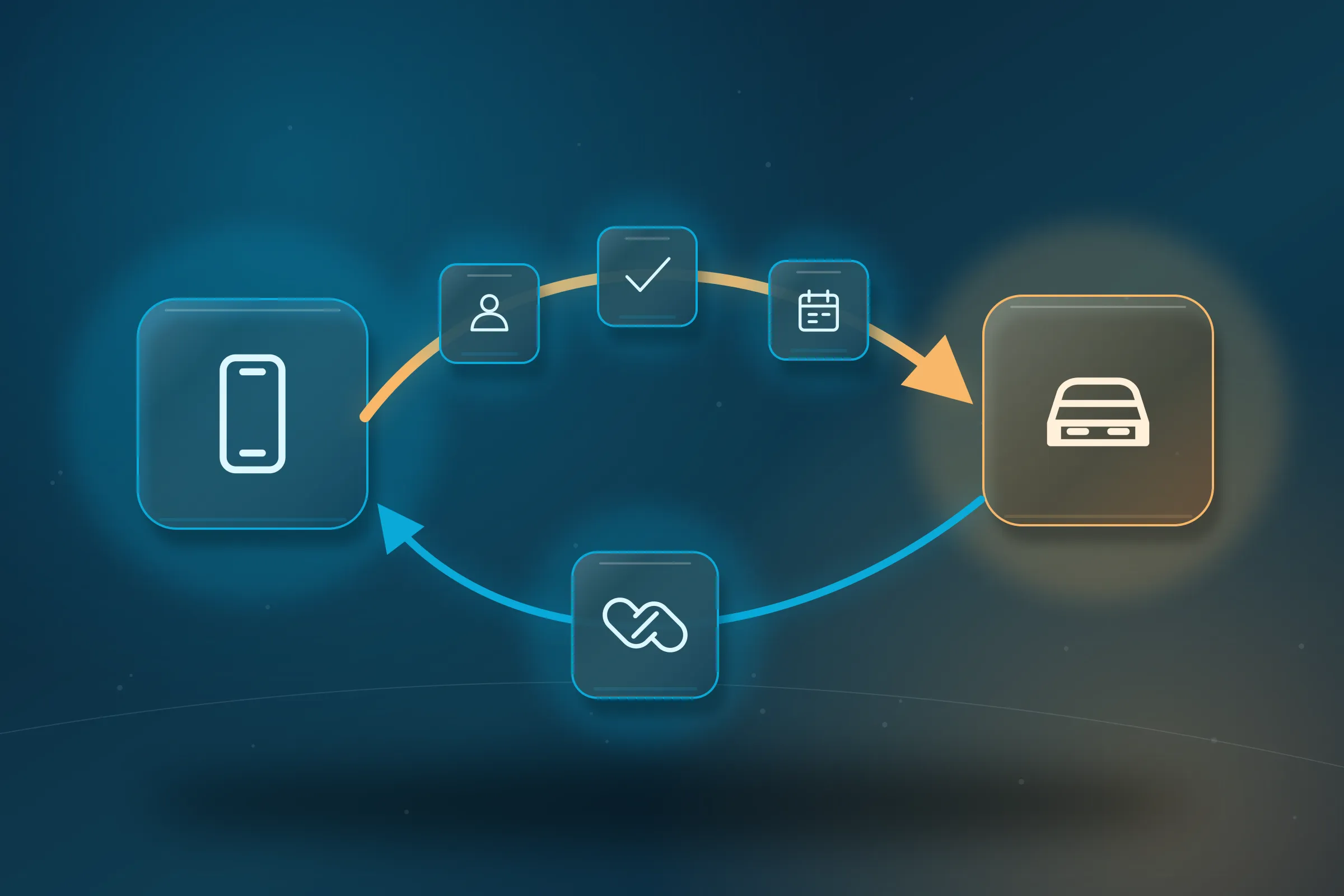
Many dealerships lose sales because their digital and in-store experiences don’t connect. When a buyer configures their car online, then must repeat everything in the showroom, momentum is lost. WEBSOLVE bridges this gap with Leader and Flows: solutions that centralize lead data, automate follow-ups, and keep communication consistent. The result can be faster responses, fewer no-shows, and higher showroom conversions. In an industry where timing defines success, connecting your online funnel to real-world sales ensures every lead stays warm and every visit counts. Momentum isn’t optional, it’s the currency of modern retail.
AI is transforming automotive retail: not with hype, but with practical automation that fits how dealerships actually work. This article explores how top-performing dealers are integrating smart automation into their existing systems to improve lead follow-up, fill service bays, and personalize customer engagement without overhauling their tech stack. Instead of chasing flashy AI tools that rarely deliver, they focus on workflows that plug directly into their DMS and CRM, enabling faster responses, better visibility, and measurable results. The takeaway: real progress comes from dealership-ready automation, not experiments in innovation theater.
In January, many dealerships face the same problem: empty workshops and quiet phones. The issue isn’t customer apathy; it’s outdated, one-size-fits-all winter campaigns. This article shows how forward-thinking NSCs and dealer groups are replacing bulk email blasts with automated, data-driven triggers that reach customers at the right time; based on vehicle condition, service history, and weather data. The result? Higher booking rates, smoother workshop planning, and stronger customer trust. Learn how turning campaigns into systems can transform your winter aftersales performance.
HubSpot is a popular choice for dealership CRM and marketing automation—but it’s not designed for the unique complexity of automotive. From service data to contract timelines and DMS integrations, general-purpose CRM platforms do not always support every automotive process out of the box. This post explores where HubSpot falls short and how pairing it with WEBSOLVE gives dealerships the best of both worlds: powerful customer engagement with domain-specific intelligence. Learn how to avoid costly customization traps and create a scalable tech stack that works across your network.
Q4 often brings budget scrutiny—and marketing is the first to feel the squeeze. But slashing campaigns indiscriminately can cost more in the long run. This post breaks down how smart trimming protects revenue, keeps leads warm, and preserves momentum into Q1. By focusing on high-margin service outreach, automated follow-ups, and data-generating campaigns, dealerships can reduce spend without losing ground. Learn how to stretch your remaining budget, avoid common traps, and defend key activities that support future sales.
Your DMS holds all the data needed to boost aftersales revenue—but without automation, it stays buried in silos. This post explores how NSCs and dealer groups can unlock hidden revenue by layering automation on top of existing systems. With tools like Pitstop, Reach, and Radar, dealerships can trigger re-engagement flows, launch precision campaigns, and streamline aftersales forecasting—without needing to overhaul their DMS or CRM. The result: more service bookings, better campaign ROI, and network-wide visibility without the manual drag.
Your sales team did everything right—until the quote slowed things down. In today’s fast-paced market, quoting delays are costing dealerships real revenue. This post breaks down how outdated PDFs and manual processes lead to stalled deals and lost conversions. With digital quoting tools like Quoto and automated follow-up flows, dealerships can send branded, signable quotes instantly and keep buyers engaged with zero friction. It’s the last mile of your sales funnel—and the easiest to fix before year-end.
As Q3 ends, many dealerships are feeling the pinch of a soft pipeline—and the leaks in your funnel may be to blame. Slow lead response, missed follow-ups, and outdated quoting are silently draining your sales potential ahead of Q4. This post reveals how to identify and fix these funnel failures using automation, centralized lead handling, and digital-first quoting. Dealerships that act now will convert more leads, close faster, and capitalize fully on OEM campaign volume. The time to tighten your funnel is before Q4 begins—because if you don’t, your competitors will.
Selling a premium used vehicle should never feel like selling a budget model—but that’s exactly what happens when dealerships use generic quotes. This post explains how outdated quoting practices weaken trust, slow down the sales process, and reduce conversion rates—especially for first-time luxury buyers. By adopting branded, digital-first quotes that include full vehicle details, visuals, finance options, and instant action buttons, dealerships can speed up decisions, reinforce their brand, and protect margin. A refined quoting experience isn’t just about aesthetics—it’s a competitive advantage that turns quotes into closers.
CRMs like HubSpot and Salesforce don’t support every demand automotive retail places on speed, complexity, and personalization out of the box. This post explores why relying on generic CRMs for lead management and marketing slows sales teams, bloats costs, and misfires on timing. The future belongs to AI-powered funnels that act on customer data in real time—predicting needs, automating follow-up, and boosting retention with precision. Dealerships using AI-first systems gain responsiveness, relevance, and revenue. It’s not just a better tech stack, it’s a smarter business model built for today’s buyers.
Manual messaging might work for one customer—but at scale, it breaks. This guide shows how dealerships can shift from scattered, manual outreach to smart, automated campaigns that drive consistent service revenue and long-term retention. By automating repeatable touchpoints like service reminders, lease expirations, and birthday greetings, dealerships ensure timely, personalized engagement without overwhelming the team or cluttering the CRM. The result is stronger customer relationships, increased efficiency, and higher lifetime value—all while protecting your brand voice across every channel.
In automotive sales, five minutes can make or break a deal. This post highlights how slow lead response times cost dealerships sales—and how eliminating friction in the follow-up process leads to major gains. Centralizing lead intake, triggering instant notifications, and giving sales teams immediate access to lead details can slash response times and improve the chances of follow-up contact and a sale. The fix doesn’t require more staff—just smarter systems that prioritize speed and visibility. When every second counts, dealerships that respond fastest win the business.
Not all leads are created equal—so why treat them that way? In automotive retail, a small share of leads can generate a large share of sales revenue. This blog shows how smart dealerships shift from volume to value by using data-driven lead scoring, predictive modeling, and automation to focus sales efforts on high-potential opportunities. Lower-intent leads are nurtured automatically until they’re ready, keeping the funnel active without overloading the sales team. The result: faster conversions, reduced workload, and a smarter, scalable sales process that increases ROI and customer satisfaction.
CRMs are essential for managing long-term customer relationships—but they fall short when it comes to fast, high-volume lead handling. This post explores why relying on your CRM for lead management slows down sales, frustrates your team, inflates costs, and leads to lost opportunities. The smarter solution? Pair your CRM with a dedicated lead management system (LMS) built for automotive speed. With instant lead assignment, real-time prioritization, and smart follow-ups, your sales team can move faster, convert more, and keep your CRM lean and effective. It’s time to stop forcing your CRM to do what it wasn’t built for.
Most dealership funnels are built around internal processes—not customer behavior. This post breaks down how rigid CRM workflows and generic follow-ups create friction and missed opportunities. A customer-first funnel flips the model: it prioritizes real-time response, personalized communication, and seamless lead handling. By aligning with buyer signals and reducing delays, dealerships see faster conversions, stronger relationships, and more repeat business. Building this kind of funnel means using automation to support—not replace—human touchpoints and constantly refining based on customer behavior. A funnel that serves the customer first can help dealerships achieve better results.
Price is not the only reason customers leave for independent repair shops—dealership service that feels impersonal, inconsistent, or disconnected plays a part too. This post outlines the top three service mistakes that erode loyalty: poor communication during repairs, lack of personalized outreach, and ill-timed or irrelevant upselling. By embracing automation and using real-time service data, dealerships can fix these gaps and deliver the timely, trustworthy experiences customers expect. With smarter processes in place, your service department becomes more than just a workshop—it makes an important contribution to retention and long-term customer relationships.
Using your CRM for marketing automation might seem efficient—but it can cost you sales. When CRMs double as campaign engines, clarity can get lost and day-to-day work can become more cumbersome. This post breaks down how bloated CRMs frustrate sales teams, inflate costs, and deliver poorly timed, generic messages that miss the mark. The smarter path is separating sales and marketing tech: using dedicated tools for real-time, data-driven outreach while keeping your CRM focused on high-intent opportunities. The result? A cleaner CRM, sharper messaging, faster follow-up, and better results across the board.
Inconsistent experiences across dealership networks damage customer trust and cost sales. From pricing disparities to communication breakdowns, mixed experiences leave buyers confused and dissatisfied. For NSCs and dealer groups, maintaining consistency across locations is challenging—but automation offers a solution. By aligning follow-ups, service reminders, and communication processes, dealerships can ensure brand-aligned, high-quality customer interactions. The result? Higher conversion rates, stronger loyalty, and increased operational efficiency. A seamless, automated customer journey isn’t just good service—it’s a competitive advantage.
About our blog
We tackle the everyday challenges of automotive retail, from poor follow-up to loyalty drop-off, and translate them into clear, actionable strategies that save time and grow revenue. Every post is designed to help you do more with the data, systems and teams you already have.
Recognise one of these challenges in your network?
A 30-minute conversation with a senior specialist.
Cookie preferences
We use essential cookies to run this site. With your consent, we also use Google Analytics to understand how visitors use the site and improve it. Analytics stays off until you turn it on, and you can change your choice at any time via Cookie preferences at the bottom of every page. Read more in our privacy statement.
Needed for the site to work, for example to remember the language you chose, your cookie choice and your appearance setting.
Google Analytics. Helps us understand how the site is used.