Practical strategies for smarter funnels and stronger customer relationships.
The WEBSOLVE blog delivers practical, no-nonsense insights for dealerships, NSCs and OEMs looking to improve lead conversion, boost retention and drive real business impact.
With manufacturers cutting management functions, many NSCs are preparing their 2027 plans with less central capacity, while the dealer network still needs the same campaigns, launches and lead follow-up. This article argues that cost reduction then becomes an execution problem: head office can only shrink if the coordination work shrinks with it. It looks at how Ford Netherlands changed its lead follow-up instead of adding effort, why routine work should be standardised while the customer relationship stays local, and why efficiency is best measured by the recurring work that disappears.
Many repurchase opportunities are already visible inside a dealership’s existing customer data, but sales teams often miss them because the signals sit across DMS, CRM, service, mileage and contract records. This article explains how Radar helps identify customers who may be approaching a new purchase before they actively raise their hand. By monitoring signals such as lease maturity, mileage progression, repair patterns and service behavior, Radar helps teams prioritize high-potential customers, trigger relevant follow-up, and turn hidden lifecycle signals into measurable sales opportunities.
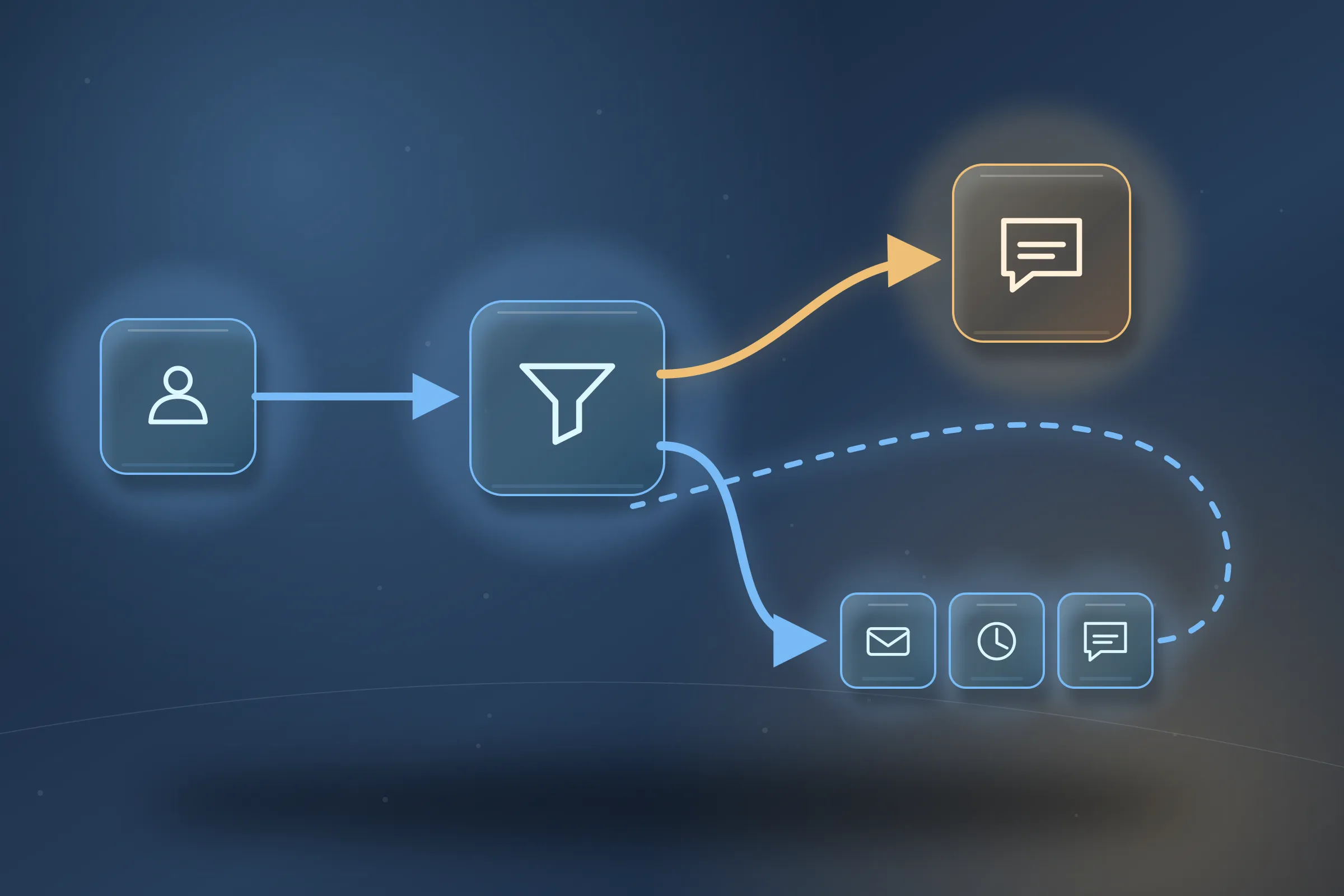
Most dealership leads are not ready for a sales conversation the moment they come in, but that does not mean they should be ignored or pushed into a manual follow-up process too early. This article explains how WEBSOLVE Flows helps dealerships nurture leads automatically through timely, personalized communication based on behavior, funnel stage, and engagement. By keeping prospects warm until real buying intent appears, dealerships can reduce pressure on sales teams, improve follow-up consistency, and protect the human touch for the moments where it has the greatest impact on conversion.
Most dealership campaigns still rely on generic segmentation such as demographics or geography, but automotive relevance is closely tied to vehicle data and customer context. This article explains why better campaigns start with car-level data like make, model, mileage, service history, warranty status, and contract timing. It shows how Reach helps marketing teams build more precise audiences directly from DMS and CRM data, making campaigns more relevant and more efficient. The piece also highlights how dealer groups and NSCs can balance central brand control with local campaign flexibility, improving both targeting quality and execution across the network.
This article challenges the way dealer networks judge campaign success. High open rates and click-throughs can create a false sense of confidence when the real issue is poor targeting or inconsistent execution across the network. In automotive retail, the better question is whether the right customer received the right message at the right moment, and whether that relevance survived local rollout. The post argues that marketing leaders should look beyond surface engagement and focus more on audience integrity, launch discipline, and follow-up consistency if they want campaign results they can actually trust.
Many dealerships still delay investment in aftersales retention because the workshop feels busy today. But that confidence can be misleading. As EV share grows, natural service demand is likely to become less frequent and less predictable, making retention more important than ever. This article explains why Pitstop matters now. By turning DMS, CRM, OEM, and third-party data into automated service reminders, warranty messages, recall alerts, and bookable workshop appointments, Pitstop helps dealerships protect future workshop demand and keep customers engaged through timely, relevant aftersales communication.
Dealership events such as test drives, model previews, and workshop sessions often generate strong interest, but the real value lies beyond attendance. When events are managed with structured registration and capacity control, participation becomes a powerful marketing signal. Instead of treating all contacts the same, dealerships can segment customers based on their engagement with the event: those who attended, those who registered but did not show up, and those who ignored the invitation. This transforms events from simple promotional moments into actionable data that improves follow-up campaigns and targeting. By turning event participation into segmentation signals, marketing teams can run more relevant campaigns and drive stronger engagement across dealer networks.
Meta leads from Facebook and Instagram often include early-stage shoppers, which can drain sales capacity when every enquiry is treated as sales-ready. This blog post explains how to add an automatic qualification layer using WEBSOLVE Flows. The approach is to respond immediately, ask one short confirmation question to surface intent, and keep non-responsive leads in automated nurture via email, SMS, or WhatsApp until they re-engage. Engaged prospects get routed to sales quickly, so reps speak with people who actually want to talk. The result is less wasted follow-up effort, faster response where it matters, and a cleaner path from enquiry to conversation.
AI only works as well as the data beneath it, and in automotive, that data is often fragmented, outdated or contradictory. This episode focuses on the real foundations required for automation to work at scale: clean identity, accurate event signals and data flows that move at the customer’s rhythm. It reveals why AI so often “fails” in dealer groups and NSCs, not because the models are wrong but because the inputs are. With practical diagnostics and clarity on where WEBSOLVE fits, this week reframes data not as an IT project but as the backbone of every trusted customer journey.
Automation is powerful until it begins to replace the human reassurance customers expect during uncertain moments. Week 4 explores the point where helpful automation becomes a wall instead of a bridge, creating loops, silence, and frustration. As AI becomes more capable, the risk of over-automation grows, especially at moments where customers hesitate, compare or need clarification. This week introduces practical ways to identify when your journey is becoming brittle and how to restore balance with clear human checkpoints and smarter handovers. The goal is simple: keep automation fast, scalable and supportive without letting it erode trust.
Governance is the part of AI that nobody gets excited about, but it is the part that decides whether automation actually works. In Week 2, we show how to define the rules that help detect silent failures sooner, ensure human takeover at the right moment and keep your customer journey compliant and consistent across multiple dealerships. Includes the Automation Handover Rule you can apply immediately.
In 2026, automotive sales teams face a major shift: customers expect the speed of automation and the reassurance of human connection. This article introduces the hybrid sales journey, where AI handles timing, accuracy, and scale, while people deliver trust, clarity, and emotional support. Dealerships and NSCs that design their journeys intentionally can improve conversion, strengthen relationships, and reduce operational friction. Week 1 lays the foundation for understanding which touchpoints should be automate-first, hybrid, or human-first, preparing readers for the tools, frameworks, and governance models coming in the next five weeks.
AI is transforming automotive retail: not with hype, but with practical automation that fits how dealerships actually work. This article explores how top-performing dealers are integrating smart automation into their existing systems to improve lead follow-up, fill service bays, and personalize customer engagement without overhauling their tech stack. Instead of chasing flashy AI tools that rarely deliver, they focus on workflows that plug directly into their DMS and CRM, enabling faster responses, better visibility, and measurable results. The takeaway: real progress comes from dealership-ready automation, not experiments in innovation theater.
In January, many dealerships face the same problem: empty workshops and quiet phones. The issue isn’t customer apathy; it’s outdated, one-size-fits-all winter campaigns. This article shows how forward-thinking NSCs and dealer groups are replacing bulk email blasts with automated, data-driven triggers that reach customers at the right time; based on vehicle condition, service history, and weather data. The result? Higher booking rates, smoother workshop planning, and stronger customer trust. Learn how turning campaigns into systems can transform your winter aftersales performance.
HubSpot is a popular choice for dealership CRM and marketing automation—but it’s not designed for the unique complexity of automotive. From service data to contract timelines and DMS integrations, general-purpose CRM platforms do not always support every automotive process out of the box. This post explores where HubSpot falls short and how pairing it with WEBSOLVE gives dealerships the best of both worlds: powerful customer engagement with domain-specific intelligence. Learn how to avoid costly customization traps and create a scalable tech stack that works across your network.
Q4 often brings budget scrutiny—and marketing is the first to feel the squeeze. But slashing campaigns indiscriminately can cost more in the long run. This post breaks down how smart trimming protects revenue, keeps leads warm, and preserves momentum into Q1. By focusing on high-margin service outreach, automated follow-ups, and data-generating campaigns, dealerships can reduce spend without losing ground. Learn how to stretch your remaining budget, avoid common traps, and defend key activities that support future sales.
Your CRM is full of archived leads that never converted—but they’re not dead. With Q4 pressure rising, reactivating those leads is one of the fastest, lowest-effort ways to boost sales without burning out your team. This post explores how automation tools like WEBSOLVE Flows can re-engage cold leads with personalized messages, detect hidden buying signals, and route high-intent prospects back to sales reps—without manual work. Don’t let last quarter’s opportunities slip away. New sales opportunities may already be in your CRM.
Your DMS holds all the data needed to boost aftersales revenue—but without automation, it stays buried in silos. This post explores how NSCs and dealer groups can unlock hidden revenue by layering automation on top of existing systems. With tools like Pitstop, Reach, and Radar, dealerships can trigger re-engagement flows, launch precision campaigns, and streamline aftersales forecasting—without needing to overhaul their DMS or CRM. The result: more service bookings, better campaign ROI, and network-wide visibility without the manual drag.
Your sales team did everything right—until the quote slowed things down. In today’s fast-paced market, quoting delays are costing dealerships real revenue. This post breaks down how outdated PDFs and manual processes lead to stalled deals and lost conversions. With digital quoting tools like Quoto and automated follow-up flows, dealerships can send branded, signable quotes instantly and keep buyers engaged with zero friction. It’s the last mile of your sales funnel—and the easiest to fix before year-end.
CRMs like HubSpot and Salesforce don’t support every demand automotive retail places on speed, complexity, and personalization out of the box. This post explores why relying on generic CRMs for lead management and marketing slows sales teams, bloats costs, and misfires on timing. The future belongs to AI-powered funnels that act on customer data in real time—predicting needs, automating follow-up, and boosting retention with precision. Dealerships using AI-first systems gain responsiveness, relevance, and revenue. It’s not just a better tech stack, it’s a smarter business model built for today’s buyers.
Manual messaging might work for one customer—but at scale, it breaks. This guide shows how dealerships can shift from scattered, manual outreach to smart, automated campaigns that drive consistent service revenue and long-term retention. By automating repeatable touchpoints like service reminders, lease expirations, and birthday greetings, dealerships ensure timely, personalized engagement without overwhelming the team or cluttering the CRM. The result is stronger customer relationships, increased efficiency, and higher lifetime value—all while protecting your brand voice across every channel.
Generic dealership campaigns fail not due to lack of effort, but because they overlook what matters most to customers—local relevance. When messages don’t reflect regional context, service history, or seasonal needs, customers tune out. This post explains how personalized, locally adapted campaigns drive stronger engagement, higher service bookings, and greater ROI. By combining centralized branding with local customization and automated delivery, dealer networks can ensure their messaging is both consistent and meaningful. The result is a scalable, customer-centric communication strategy that builds loyalty and drives real results across every rooftop.
Using your CRM for marketing automation might seem efficient—but it can cost you sales. When CRMs double as campaign engines, clarity can get lost and day-to-day work can become more cumbersome. This post breaks down how bloated CRMs frustrate sales teams, inflate costs, and deliver poorly timed, generic messages that miss the mark. The smarter path is separating sales and marketing tech: using dedicated tools for real-time, data-driven outreach while keeping your CRM focused on high-intent opportunities. The result? A cleaner CRM, sharper messaging, faster follow-up, and better results across the board.
Up- and cross-selling doesn't have to feel like a sales pitch. When timed right and tailored to customer needs, these strategies deliver real value—helping drivers avoid surprise repair costs, enhance their ownership experience, and make informed decisions. This article shows how proactive, data-driven offers—like extended warranties, seasonal accessories, or upgrade options—can build trust and loyalty rather than resentment. Dealerships that prioritize relevance over pressure not only increase revenue but also create long-term relationships. It’s about solving problems before they arise, turning every touchpoint into an opportunity to serve, support, and retain the customer.
Even your most loyal service customers may never return—simply because they didn’t hear from you. This post reveals how automated service reminders can transform your aftersales department by keeping customers engaged, informed, and loyal. By integrating real-time vehicle data with automated messaging across email, SMS, or push notifications, dealerships can trigger timely, personalized reminders that drive bookings, boost service revenue, and increase satisfaction. It also explores how urgency messaging and frictionless scheduling strengthen long-term loyalty and customer lifetime value—all without relying on manual processes or memory.
Service history data is one of the most underutilized assets in a dealership’s arsenal—and one of the most powerful. Every service visit provides valuable insights into a customer’s habits, timing, and vehicle lifecycle stage. By using this data to automate reminders, personalize offers, and identify lapsed or upgrade-ready customers, dealerships can increase service retention and unlock hidden sales opportunities. This blog outlines how predictive scheduling, dynamic segmentation, and re-engagement flows can transform your service department into a loyalty and revenue engine—ensuring customers keep coming back long after the initial sale.
Generic, mass-blast marketing no longer works for modern dealerships. Customers expect personalized, relevant communication—yet many retailers still send one-size-fits-all campaigns that miss the mark. This post explores how poor targeting leads to disengagement, unsubscribes, and lost revenue, while smart segmentation drives higher conversions and stronger loyalty. By leveraging real-time customer data—like service history, vehicle lifecycle, and engagement signals—dealerships can deliver the right message to the right person at the right time. With dynamic lists, automated workflows, and tiered campaign structures, marketing becomes sharper, more efficient, and more profitable.
About our blog
We tackle the everyday challenges of automotive retail, from poor follow-up to loyalty drop-off, and translate them into clear, actionable strategies that save time and grow revenue. Every post is designed to help you do more with the data, systems and teams you already have.
Recognise one of these challenges in your network?
A 30-minute conversation with a senior specialist.
Cookie preferences
We use essential cookies to run this site. With your consent, we also use Google Analytics to understand how visitors use the site and improve it. Analytics stays off until you turn it on, and you can change your choice at any time via Cookie preferences at the bottom of every page. Read more in our privacy statement.
Needed for the site to work, for example to remember the language you chose, your cookie choice and your appearance setting.
Google Analytics. Helps us understand how the site is used.